


Feb
Blog
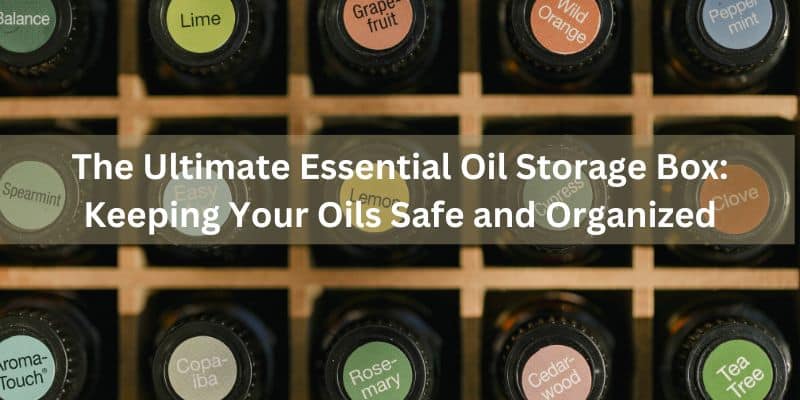
The Ultimate Essential Oils Storage Box: Keeping Your Oils Safe and Organized
Introduction to Essential Oil Storage
Essential oils are prized for their therapeutic benefits and versatility. However, proper storage is essential to maintain their quality and therapeutic properties. Exposure to light, heat, and air can cause essential oils to degrade over time, reducing their effectiveness and therapeutic value. Choosing the right type of essential oil storage box, such as dark or amber-colored glass bottles, can protect essential oils from UV light exposure and minimize evaporation. Proper labeling of essential oil bottles with the date of purchase and expiration date can help keep track of their shelf life. Proper storage of carrier oils and other ingredients used with essential oils is also important to maintain their quality. Staying up-to-date with the latest research and best practices for storing essential oils is essential to ensure continued safe and effective use.
Choosing the Right Storage Box
Here are some tips to help you choose the correct essential oil storage box:
- Size and capacity: Consider the number of essential oil bottles and choose a storage box with enough capacity to hold them all. Ensure the box is compact enough to store in a safe, cool, and dark location.
- Material: Choose a storage box made from a durable, high-quality material that can withstand frequent use and protect your essential oils from light and heat. A wooden storage box is a popular choice, as it is sturdy and provides natural insulation.
- Compartments: Look for a storage box with compartments that can hold various sizes of essential oil bottles, as well as other accessories like droppers and roller balls. This will help keep your oils organized and prevent them from rolling around and potentially breaking.
- Portability: If you plan to take your essential oils with you on the go, consider a storage box with a handle for easy transportation.

Understanding Essential Oil Shelf Life
Essential oils have a shelf life that can vary depending on the type of oil and how it is stored. Over time, essential oils can oxidize, evaporate, or break down, which can reduce their potency and effectiveness. It is important to understand the shelf life of essential oils to ensure that they are being used safely and effectively.
Most essential oils have a shelf life of 1-3 years, although some oils can last up to 5 years or longer. The shelf life can be affected by factors such as exposure to light, air, and heat, as well as the quality and purity of the oil. For example, high-quality, pure essential oils that are properly stored can last longer than oils that are of lower quality or are stored in a less-than-ideal environment.
To extend the shelf life of essential oils, it is important to store them in a cool, dark place away from sources of heat and light. It is also important to keep the lids tightly closed and to avoid exposing the oils to air whenever possible.
Regularly checking the quality and potency of essential oils can also help to ensure that they are being used safely and effectively. Signs that an essential oil may be past its shelf life include changes in color, viscosity, and scent. If an essential oil has expired or gone bad, it should be disposed of properly and replaced with a fresh bottle.

Best Practices for Storing Essential Oils
Here are some best practices to follow for storing essential oils: Keep essential oils in a cool, dry, and dark location to extend their shelf life. Use dark or amber-colored glass bottles to protect essential oils from UV light exposure, which can cause the oils to degrade more quickly. Label essential oil bottles with the date of purchase and expiration date. Most essential oils have a shelf life of 1-2 years, so it’s important to keep track of when they were purchased and when they should be replaced.
Essential oils can be harmful if ingested, and some oils can cause skin irritation or other adverse reactions if not used properly. Use proper handling and storage procedures for carrier oils and other ingredients used with essential oils. Like essential oils, carrier oils, and other ingredients can also degrade over time and should be stored in a cool, dry place.
Consider using an essential oil storage box with adequate space and compartments to organize oils and accessories. This can help keep your oils organized and easily accessible, while also protecting them from light and heat.
Stay up-to-date with the latest research and best practices for storing essential oils to ensure continued safe and effective use. With new information and guidelines constantly emerging, it’s important to stay informed and adapt your storage practices as needed.

Labeling Your Essential Oil Bottles
Labeling your essential oil bottles is an important step in proper storage and use. When labeling, it’s important to include the name of the essential oil, the date of purchase, and the expiration date. Additionally, including any safety warnings or cautions on the label can help remind you of any potential risks or sensitivities associated with the oil. When labeling, use waterproof and oil-resistant labels to ensure the label stays in place and the information is legible over time.
Maximizing Space in Your Storage Box
To maximize space in your essential oil storage box, consider using additional storage solutions such as carrying cases or drawer organizers. Use compact roller bottles for frequently used oils or blends, and stackable containers to take advantage of vertical space. Use dividers or labels to clearly separate different types of oils, and group together oils with similar properties or uses. Finally, periodically review your storage box and remove any expired or unused oils to make space for new additions.

Tips for Traveling with Essential Oils
If you’re planning to travel with essential oils, there are several things to keep in mind to ensure that your oils stay safe and effective:
- Choose a travel-friendly container: Consider using a small, leak-proof, and shatterproof container to store your essential oils. You can find travel-sized bottles with droppers or roller balls to make application easier.
- Pack your oils in a protective case: Look for a case that has individual slots or compartments for each bottle.
- Keep your oils with you: If possible, store your essential oils in your carry-on luggage or personal item, so you have them with you at all times.
- Check TSA regulations: Check the Transportation Security Administration (TSA) guidelines before you travel, to ensure that you comply with any restrictions on liquids.
- Consider essential oil alternatives: If you’re concerned about the safety or portability of your essential oils, consider using solid or pre-diluted essential oil products, like balms, roll-ons, or inhalers.
- Research local regulations: If you’re traveling internationally, research the laws and regulations around essential oils in your destination country to avoid any issues with customs.
Using Your Essential Oil Storage Box as a Display
An essential oil storage box can not only serve as a practical storage solution but also as a decorative display for your oils. Consider placing your storage box on a countertop or shelf, where it can be easily seen and accessed. You can also organize your oils by color or scent to create a visually appealing arrangement. Another idea is to add some decorative elements, such as stickers or ribbons, to the outside of the box to make it even more eye-catching. With a little creativity, your essential oil storage box can be a beautiful addition to your home decor.
Essential Oil Storage Box Maintenance
To ensure that your essential oil storage box continues to provide a safe and organized environment for your oils and accessories, regular maintenance is essential. Here are a few tips to help you maintain your storage box:
Clean your box regularly: Wipe down your box with a damp cloth to remove any dust or debris. Be sure to dry the box thoroughly before storing your oils.
Check for any damage: Regularly inspect your storage box for any cracks, chips, or other damage.
Avoid exposure to water: Keep your storage box away from water or any other liquids to prevent damage to the box and your oils.

Other Uses for Essential Oil Storage Boxes
Aside from using an essential oil storage box to organize and store your oils, there are many other creative ways to use these boxes. Here are a few ideas:
- Jewelry storage: Use the compartments in the box to store and organize your jewelry, such as rings, earrings, and necklaces.
- Craft storage: If you are a crafter, use an essential oil storage box to store small items like beads, buttons, or embroidery floss.
- Office supply storage: Use the compartments to store and organize your office supplies, such as paper clips, push pins, and rubber bands.
- Tea bag storage: If you are a tea lover, use the compartments in the box to store and organize your tea bags.
- Sewing kit storage: Use an essential oil storage box to store and organize your sewing kit items, such as needles, thread, and buttons.
With a little creativity, you can repurpose your essential oil storage box to suit your needs and keep your items organized and tidy.

Understanding the importance of proper storage for essential oils
A high-quality storage box for essential oils is an essential tool for any aromatherapy enthusiast. It provides a safe and organized way to store your essential oils, ensuring they remain fresh and potent for longer. The ideal storage box should be made of durable, lightweight materials, with a secure closing mechanism to prevent leaks or spills. It should also be designed with proper air circulation to prevent moisture buildup, which can degrade the quality of your oils over time. With a well-designed essential oil storage box, you can ensure your oils are always ready to use, and you’ll never have to waste time searching for the right oil again.
Identifying the best types of containers for storing essential oils
When it comes to storing essential oils, it is important to use the right type of container to ensure their longevity and potency. The best type of container for essential oils is one that is made of glass, with a dark or amber color to protect the oils from UV light exposure. Additionally, it is best to use a container that has a tight-fitting cap or stopper to prevent air from getting in and oxidizing the oils.
There are also specialized containers available for storing essential oils, such as roller bottles for easy application, spray bottles for creating mists, and dropper bottles for precise measurements. These can be helpful for creating custom blends or taking your oils on-the-go. Overall, selecting the right container for your essential oils is important for ensuring their quality and effectiveness over time.

Choosing an essential oil storage box with adequate space and compartments to organize oils and accessories
Choosing an essential oil storage box with adequate space and compartments to organize oils and accessories is crucial for any essential oil enthusiast. Not only does it provide a neat and tidy way to store your oils, but it also helps to protect them from direct sunlight and other environmental factors that can potentially compromise their quality.
Look for a box with ample space and dividers to keep your oils organized and prevent them from rolling around during transportation. Additionally, make sure the box is made from sturdy materials that can withstand wear and tear and has a secure latch or closure to prevent any accidental spills or leaks.
Investing in a high-quality essential oil storage box can help you maintain the longevity of your oils and make it easy to find and use them when you need them. Plus, a well-organized and stylish storage box can add to the aesthetic appeal of your essential oil collection.
Ensuring the storage box is made of high-quality materials that protect oils from light and heat
Ensuring that the essential oil storage box is made of high-quality materials that can protect your oils from light and heat is essential for maintaining the quality and efficacy of your oils.
When shopping for an essential oil storage box, look for materials that can block out light and prevent exposure to heat. A wooden box with a tight-fitting lid is an excellent option for blocking out light, as it can effectively shield your oils from the damaging effects of sunlight. For added protection against heat, consider a box made from a material like aluminum, which has excellent heat-resistant properties.
In addition to material, consider the design of the storage box. A well-designed box will have compartments or slots for each oil bottle, allowing you to keep your oils organized and easily accessible. Additionally, it may include features like padding or insulation to provide additional protection against heat and light.
Overall, investing in a high-quality essential oil storage box made of materials that protect your oils from light and heat is crucial for ensuring the longevity and effectiveness of your essential oils.