


Dec
Diffuser
How to choose diffusers?
Diffuser operation
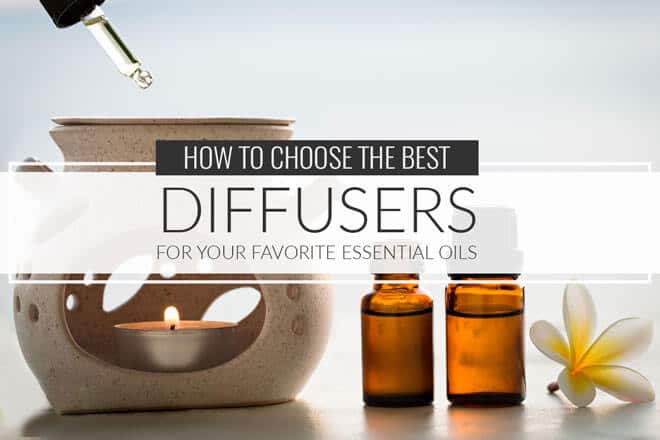
Have you recently learned about the benefits of essential oils? If so, you may be interested in integrating them into your lifestyle, but aren’t sure how best to do so. Many people find essential oils because they are stressed at home or in the workplace and are looking for a natural way to deal with their worries. If it sounds like you, then we recommend you buy a diffuser – a small electronic device that atomizes essential oils to diffuse their odor in a room, cubicle or office. Before buying an essential oil diffuser, check out the following information and see how the diffuser works.
Type and type of diffuser
All essential oil diffuser models can be divided into four categories – ultrasonic, atomization, evaporation and heating. These categories determine the type of diffusion techniques used by the model and can vary widely if you have specific atomization needs.
Ultrasonic diffuser
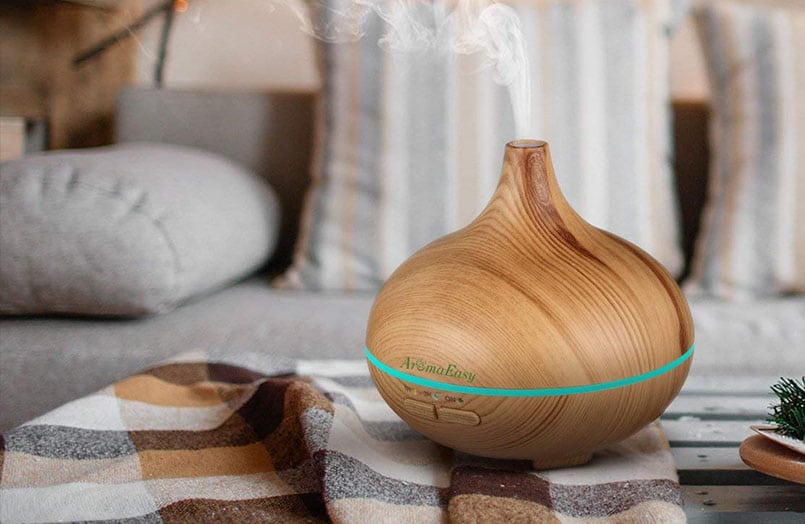
An ultrasonic diffuser is similar to a humidifier in the sense that it requires water to operate. Most ultrasonic models can double as humidifiers, which makes them extremely useful in dry climates or during dry winter months. The ultrasonic diffuser atomizes a mixture of water and essential oils and disperses them into the air. Although these essential oil dispersers work in a very simple way, you should know the pros and cons of their design before buying them.
Advantages
- The ultrasonic diffuser is the most common type on the market today, which means you can find a wide range of features in all models
- It is usually cheaper than the atomization model
- Usually quieter than the atomization model
- Can double as a humidifier
Disadvantages
- You need water to run
- Need occasional cleaning
- Citrus essential oils are not recommended for this type because their components may be eroded by the acids in these oils over time.
- Many models are equipped with lights that cannot be turned off, making them less desirable in dark areas
- The water/oil fog is not as effective as the atomization model
Atomizer diffuser
The spray diffuser does not require any water to operate. Instead, they use a nebulizer to create tiny particles from essential oils that are then diffused into the air by the device. The resulting fog is very strong because the oil has not yet been diluted. Although this may be the most important feature of these models, atomizing diffusers have their own disadvantages that make them less than ideal in some cases.
Advantages
- You don’t need water; Most models don’t require any setup
- Most models include timers that allow you to control the duration of the diffusion
- The concentration of fog is stronger than that produced by other types of diffusers
- Most models have little or no lighting, making them ideal for overnight diffusion
Disadvantages
- Usually larger than other types of diffusers
- USES oil faster than other types of diffusers
- Generally speaking, the most expensive diffuser varieties
Evaporative fan diffuser
As the name implies, evaporative fan diffusers work by evaporating oil. More specifically, the user dips a few drops of essential oil into the absorbent pad inside the diffuser, such as our Orbit Fan diffuser, and then vaporizes it. Once this is done, the oil is dispersed through the device’s built-in fan. Some models (including personal diffusers, pendants, bracelets, etc.) are so simple that they don’t even use a fan – they just allow the natural airflow around them to take the oil away.
Advantages
- Generally speaking, the cheapest electronic variety in terms of purchasing and operating costs
- Most models are very portable and ideal for travel
- They have relatively small coverage, making them ideal for smaller areas such as desks or bathrooms
Disadvantages
- Yield limits are weak and may reduce the therapeutic effectiveness
- The absorbent pads must be replaced and refilled
- Most models rely on batteries or USB ports for power
Thermal diffuser
The diffuser is its sound – the diffuser USES heat to evaporate essential oils. In general, this model of products (such as our eWarm essential oil heater) doesn’t even use electricity. Instead, they use candles to heat the oil from below. Although this makes the thermal diffuser more economical than other varieties, this affordability comes at the expense of control of oil diffusion. In addition, they do not apply to any areas where open fires are not allowed.
Advantages
- The cheapest humidifier
- Lack of power means they can be used even if there is no electricity
- Easy to clean and maintain
Disadvantages
- The strength or duration of the diffusion cannot be controlled
- Not suitable for use in office environments or any other place where the use of an open flame is discouraged
- The mixed aroma of candles and oil reduces the benefits of aromatherapy
conclusion
As you can see, the diffuser world is so large that there must be a model that perfectly fits your needs. If you’re interested in a diffuser in your bedroom or office, the full range of ultrasonic models might be what you’re looking for. If you need a powerful diffuser to fill large Spaces, then an atomizer may be your best choice. Those in need of a travel or desk diffuser may find the ideal model in the evaporative variety. At the same time, radiators are ideal for those seeking truly natural aromatherapy. If you have any further questions about the model differences, please feel free to contact one of our friendly customer service representatives.


